When a torsion spring breaks, it's sudden and loud — a crack like a rifle shot inside your garage. Your door immediately stops working, your car is trapped, and you're facing an emergency service call. Most Las Vegas homeowners have experienced this at the worst possible time: before work, late at night, or during a summer heatwave.
Here's the thing: springs almost never fail without warning. There are clear signs in the days and weeks before a spring snaps completely. Learn to recognize them and you can schedule a replacement on your own terms instead of reacting to an emergency.
A Quick Note on How Springs Work
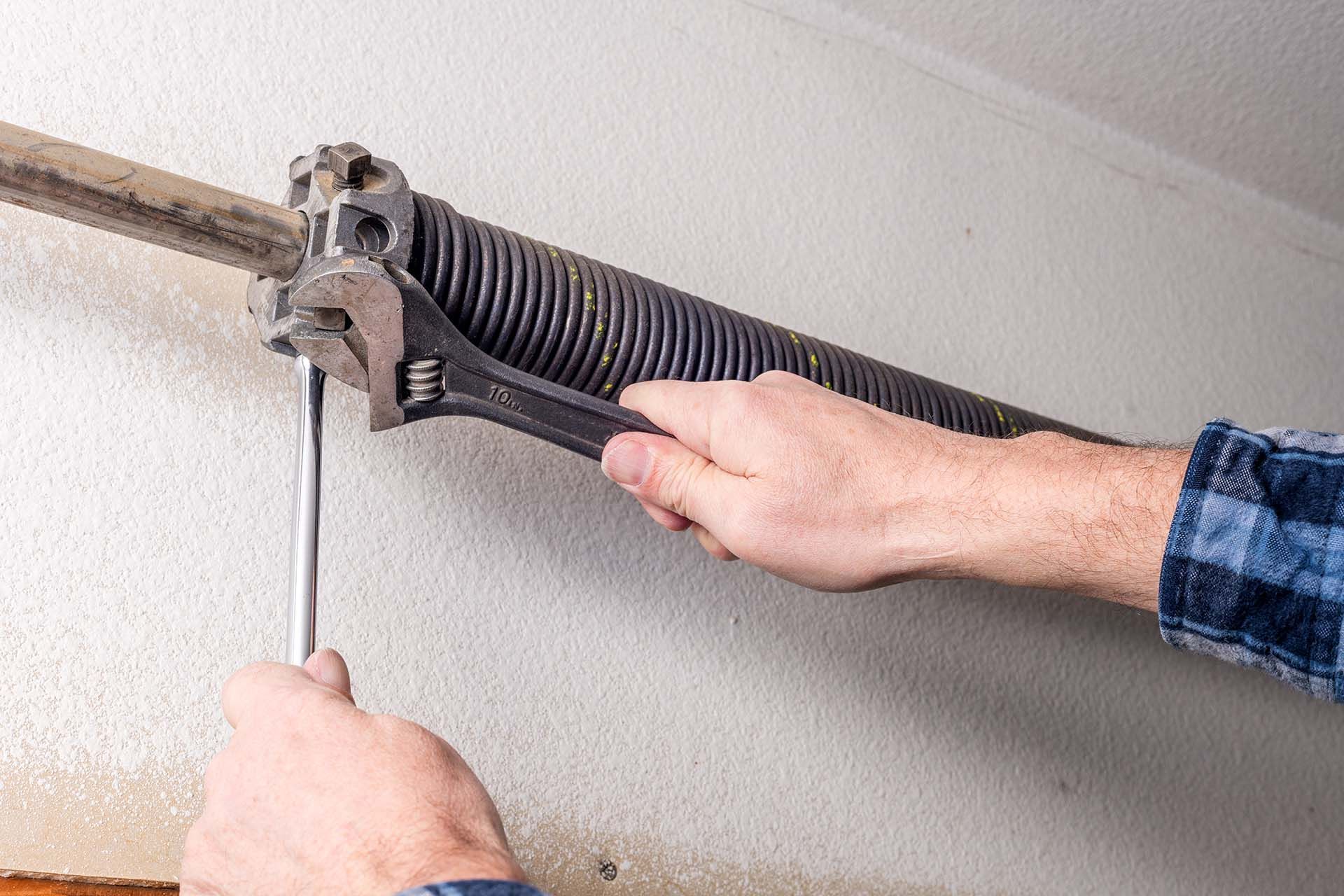
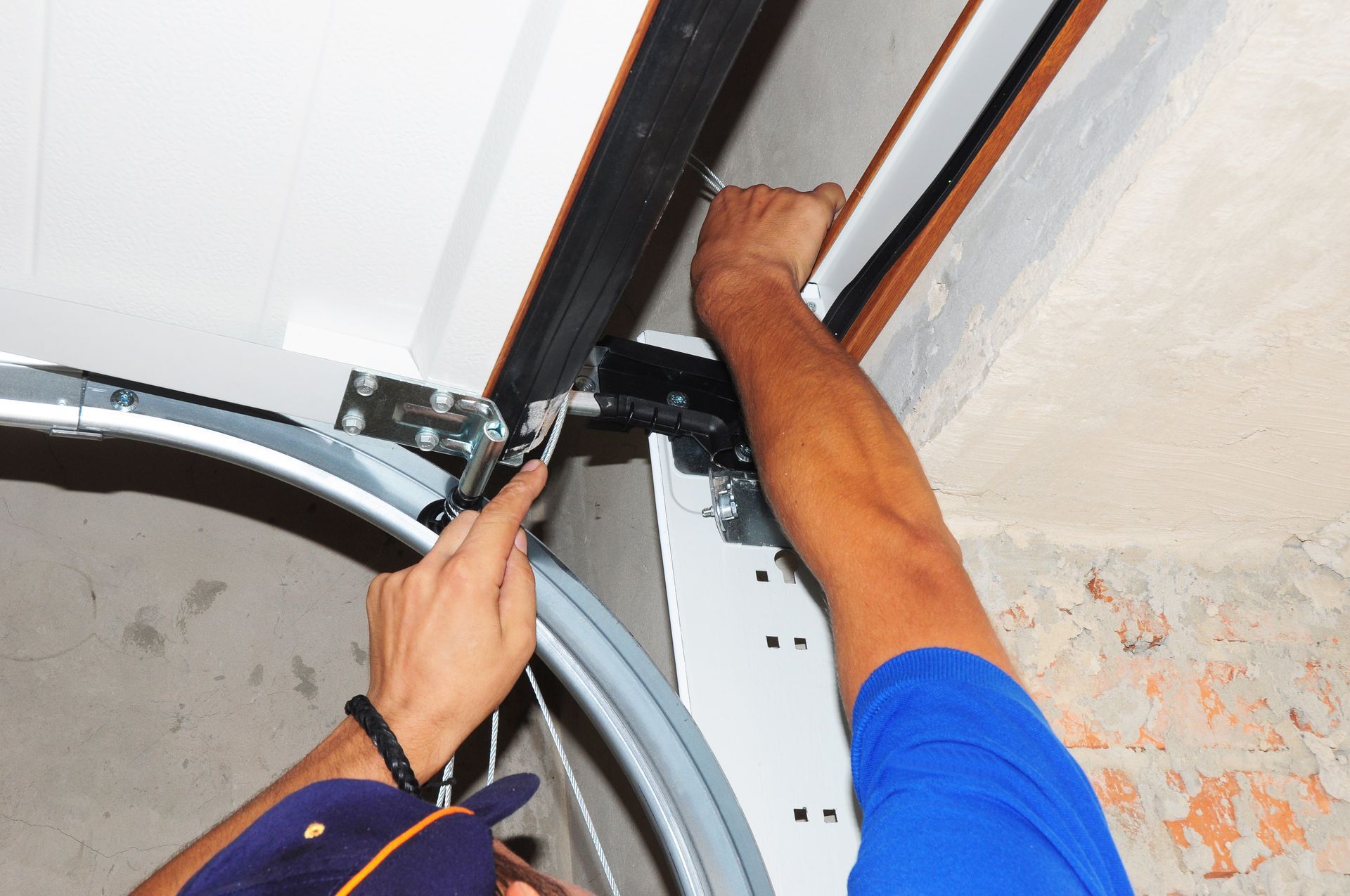
Most residential garage doors use a torsion spring system — a tightly wound coil mounted horizontally above the door on a metal shaft. When you close the door, the spring winds up and stores mechanical energy. When you open it, the spring unwinds and transfers that energy to the cables and drums that lift the door. The spring effectively counterbalances the door's weight so your opener only has to manage the motion, not the full load.
Standard springs are rated for about 10,000 open-close cycles. In Las Vegas's climate — where heat accelerates metal fatigue — springs often fail well before reaching that number. A household using the door four times a day will go through a spring every 6–7 years under normal conditions; faster in extreme heat with insufficient maintenance.
Warning Sign #1: The Door Feels Unusually Heavy
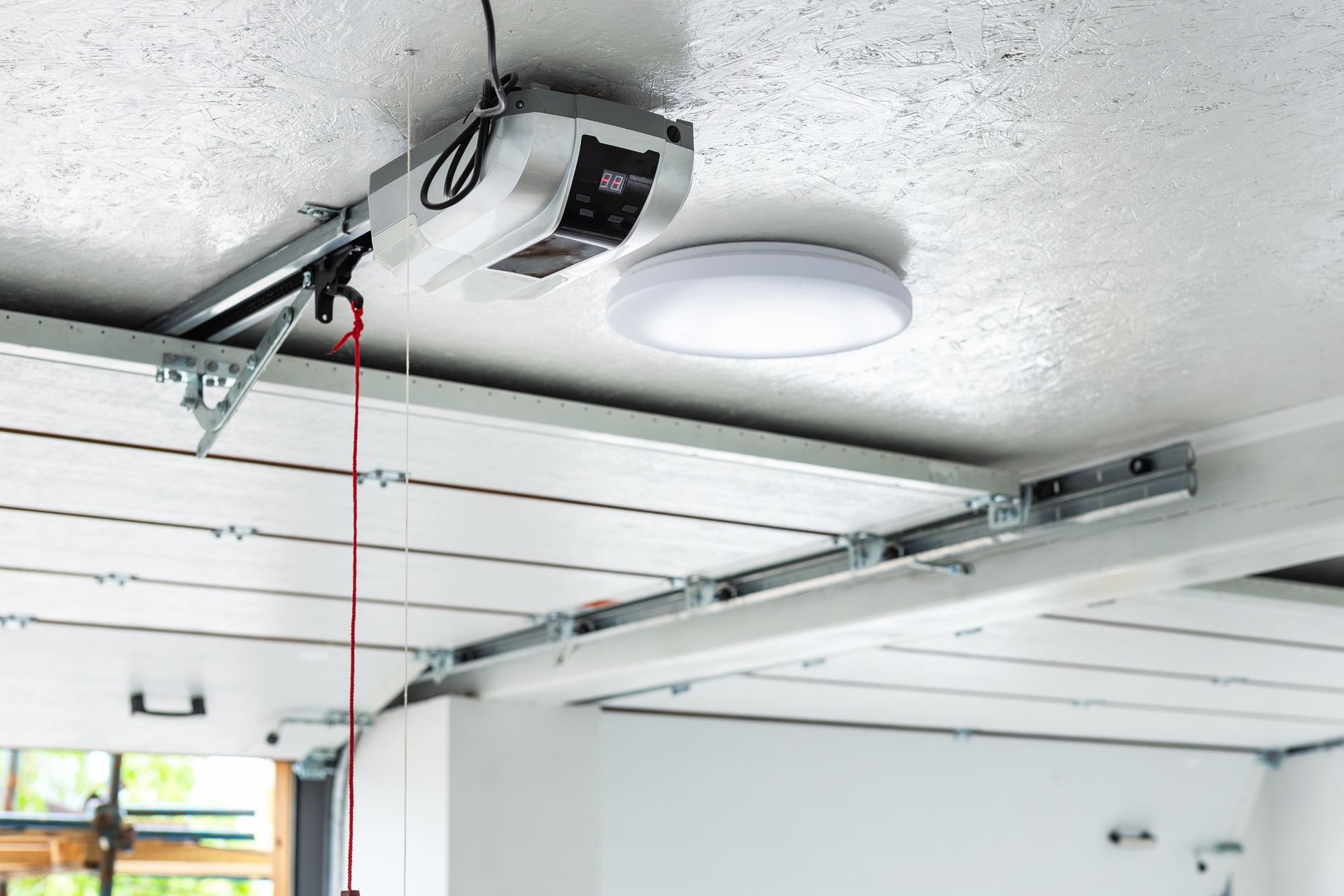
Pull the emergency release cord (the red handle hanging from the opener track) to disconnect the motor from the door. Try to lift the door manually to waist height. A properly tensioned spring should make the door feel very light — 10–20 lbs of resistance at most.
If the door feels like you're lifting its full weight (a double door weighs 130–200 lbs), the spring is losing tension. It may not have fully snapped, but it's approaching the end of its service life. Schedule an inspection now, before the door stops opening entirely.
Warning Sign #2: A Visible Gap in the Spring Coil
Look up at the torsion bar above your closed garage door. The spring should appear as a tightly wound, uniform coil with no visible separation between the coils. If you see a gap — even a quarter inch — the spring has partially broken. It may still function for a few more cycles, but complete failure is imminent.
This is the clearest and most definitive sign. If you see a gap in your torsion spring, stop using the door and call a technician immediately.
Warning Sign #3: The Door Opens Unevenly
Stand back and watch your door open through a complete cycle. Both sides should rise together in a smooth, level motion. If one side rises faster than the other — or if the door appears to lean to one side — you likely have a broken or imbalanced spring on a two-spring system, or a cable issue related to spring failure.
An uneven door puts stress on the opener, the tracks, the rollers, and the panels. Continuing to operate it in this condition accelerates wear across multiple components simultaneously. Stop using it and call for service.
Warning Sign #4: Loud Squeaking or Grinding Sounds
A healthy, properly lubricated torsion spring is nearly silent in operation. Squeaking, grinding, or scraping sounds during the open or close cycle indicate that the spring coils are running dry — metal-on-metal contact is occurring as the spring winds and unwinds.
Sometimes this is simply a lubrication issue, fixable with a spray of white lithium grease. But persistent noise after lubrication often means the coils are wearing unevenly, surface rust is present, or the spring material itself is fatiguing. Don't ignore it.
Warning Sign #5: The Opener Strains or the Door Reverses
Modern garage door openers are set to reverse when they detect unusual resistance — a safety feature designed to prevent crushing injuries. If your opener is working hard, running louder than usual, or reversing the door partway through the opening cycle without any obvious obstruction, the spring is likely under-tensioned and forcing the opener to compensate for the door's weight.
Some homeowners respond to this by adjusting the opener's force settings — pushing the limit until the door opens. This is the wrong solution. You're masking a spring problem while overloading the opener, which will fail next. Address the spring first.
How Long Does Spring Replacement Take?
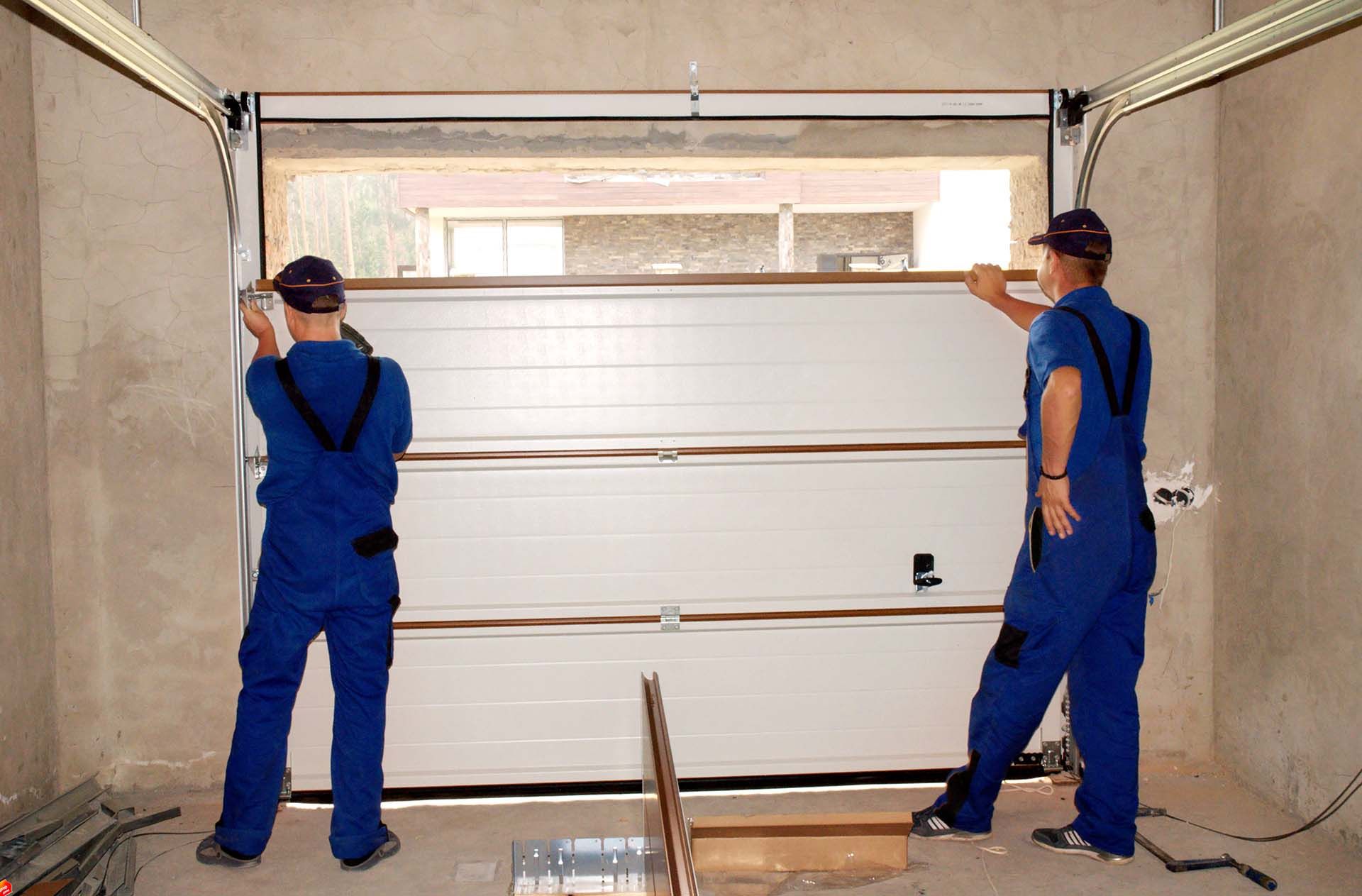
Most torsion spring replacements take 45–90 minutes. We carry springs for the most common residential door sizes on every truck, so same-day repairs are the norm. We also recommend replacing both springs simultaneously when one fails — they're the same age, under the same wear, and the second one will follow shortly.
⚠️ Do Not DIY Torsion Spring Replacement
A garage door torsion spring under tension stores hundreds of foot-pounds of energy. Improper handling has caused serious injuries and fatalities. This is not a homeowner repair. Always call a licensed, insured technician.
Seeing any of these warning signs? Don't wait for the snap. Dogtag Garage Door provides same-day spring replacement throughout Las Vegas, Henderson, Summerlin, and all of Clark County. Free phone estimates.