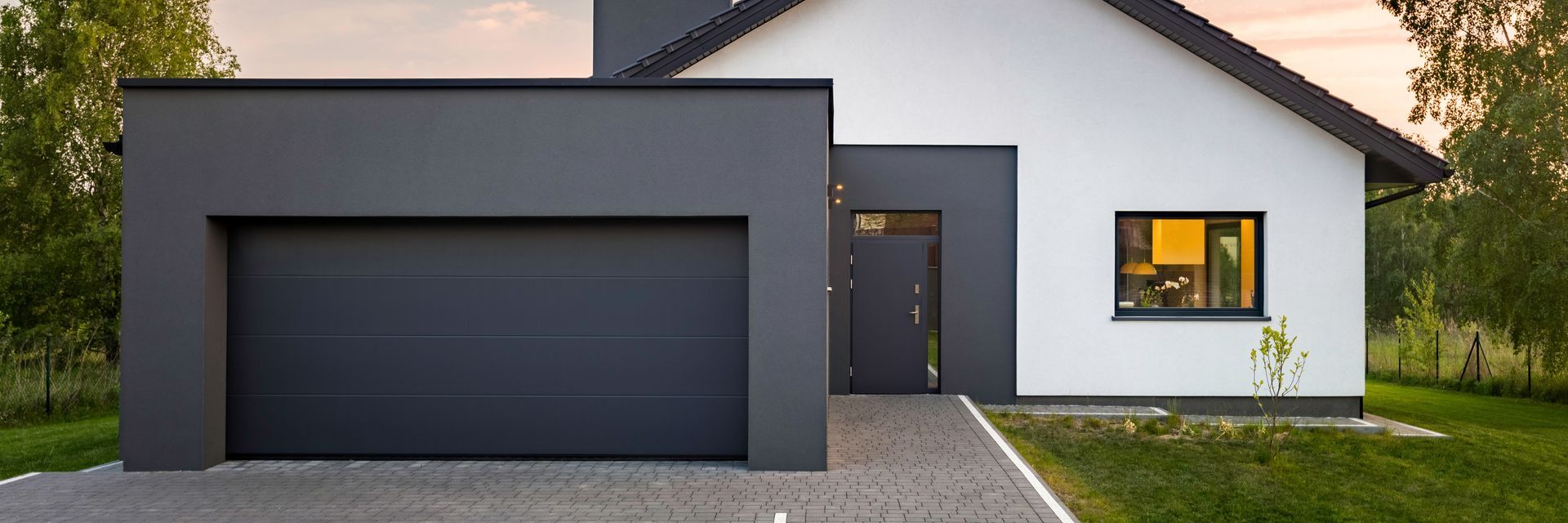
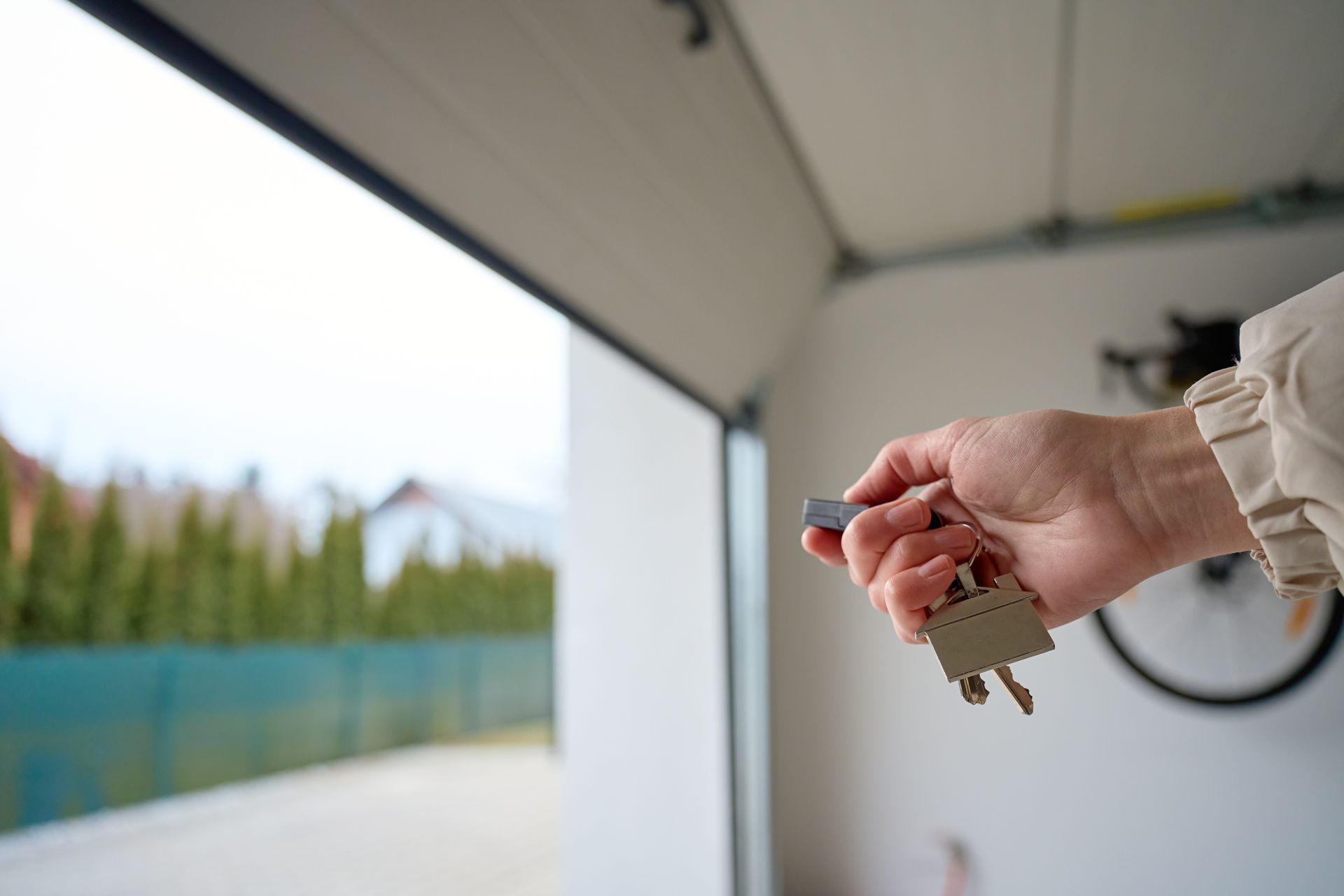
Your garage door is the largest moving part of your home. Most homeowners use it four to eight times a day without giving it a second thought — until the day it stops working. The good news is that a small investment of time twice a year can prevent the majority of common failures.
We recommend doing this tune-up in March (before Las Vegas summer starts) and in October (after the brutal heat season ends). The whole process takes about 10 minutes once you know what you're doing.
What You'll Need
White lithium grease spray or dedicated garage door lubricant (not WD-40), a stepladder, a wrench or socket set for hardware check, and about 10 minutes of your time.
Step 1: Listen and Watch During Operation (2 minutes)
Stand inside the garage and operate the door through a full open and close cycle. You're listening and watching for:
- Grinding, scraping, squeaking, or popping sounds
- Jerky or uneven movement — one side rising faster than the other
- The door hesitating or reversing without reason
- Excessive vibration of the opener unit
A smooth, quiet door with even, continuous movement is healthy. Anything else warrants further investigation in the steps below — or a call to a technician.
Step 2: Check the Balance (2 minutes)
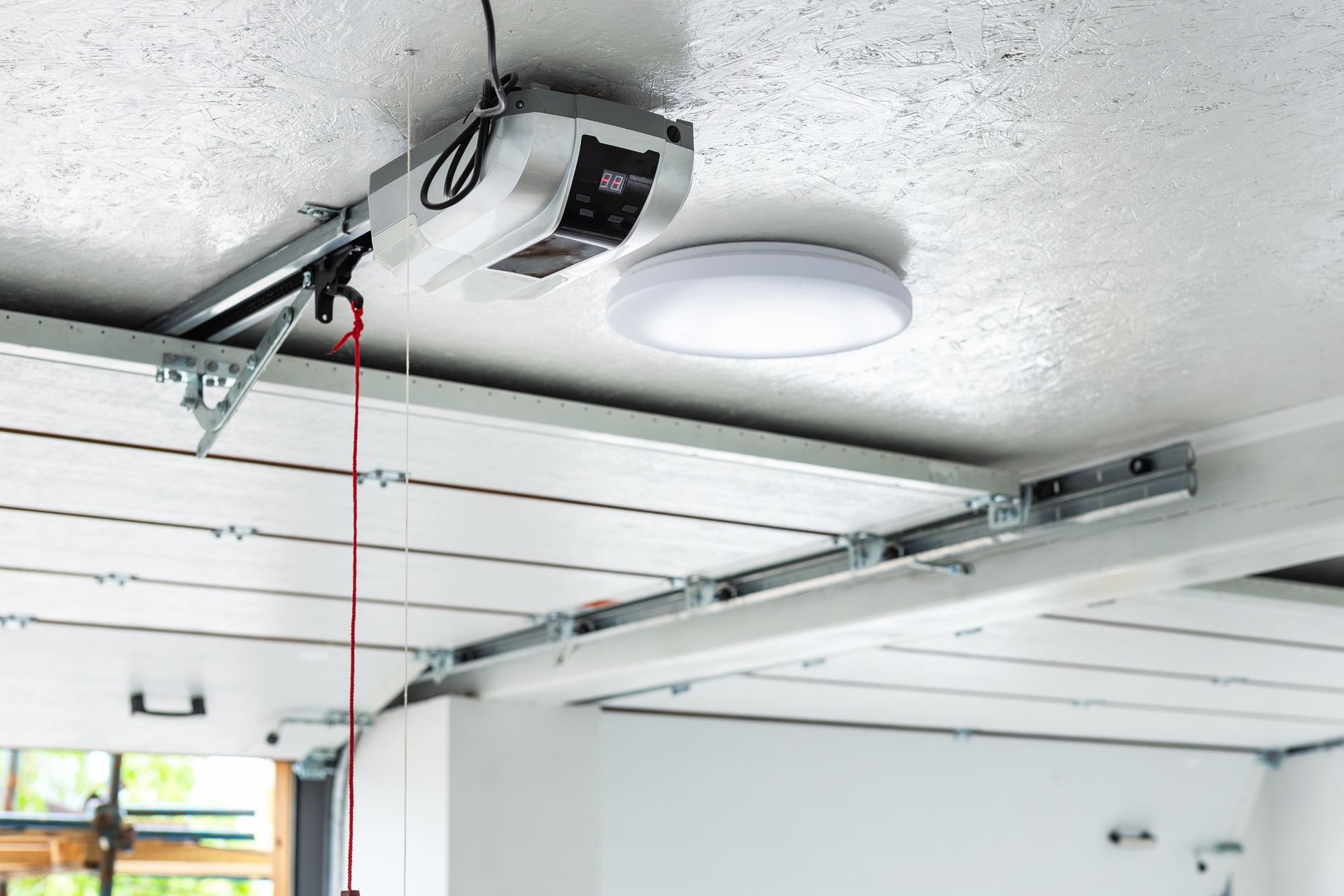
This is the single most important test you can do. Pull the red emergency release cord to disconnect the opener from the door. Manually raise the door to waist height and let go. A properly balanced door will stay in place — or drift very slowly. If it falls quickly to the floor or shoots upward, the spring tension is off and needs professional adjustment.
⚠️ Important
Do not attempt to adjust spring tension yourself. Torsion springs are under extreme load and can cause serious injury if handled incorrectly. Call a licensed technician if the balance test reveals a problem.
Step 3: Test the Auto-Reverse Safety Feature (1 minute)
Place a 2x4 piece of lumber flat on the ground in the path of the closing door. Activate the door to close. When the door contacts the board, it should automatically reverse within two seconds. If it doesn't, the force sensitivity on your opener needs adjustment — a safety issue that should be addressed immediately.
Also test the photoelectric safety sensors: wave your foot through the sensor beam while the door is closing. The door should reverse immediately. If the sensors are misaligned (blinking lights on the sensor units are a giveaway), realign them so the beam travels cleanly from one sensor to the other.
Step 4: Inspect the Hardware (2 minutes)
With the door in the down position, do a visual walk-around. Check:
- Roller brackets and track bolts: Tighten any visibly loose bolts with a wrench. Vibration from daily operation gradually loosens hardware over months.
- Rollers: Look for cracked, chipped, or flat-spotted rollers. Most residential systems use nylon rollers; replace them if they look worn or broken.
- Cables: The lift cables run from the bottom corner of the door up to the drum on the torsion bar. Look for fraying, kinking, or rust. Do not use a door with frayed cables — call us.
- Hinges: Check for cracks or bends, especially at the panel attachment points.
Step 5: Lubricate Moving Parts (2 minutes)
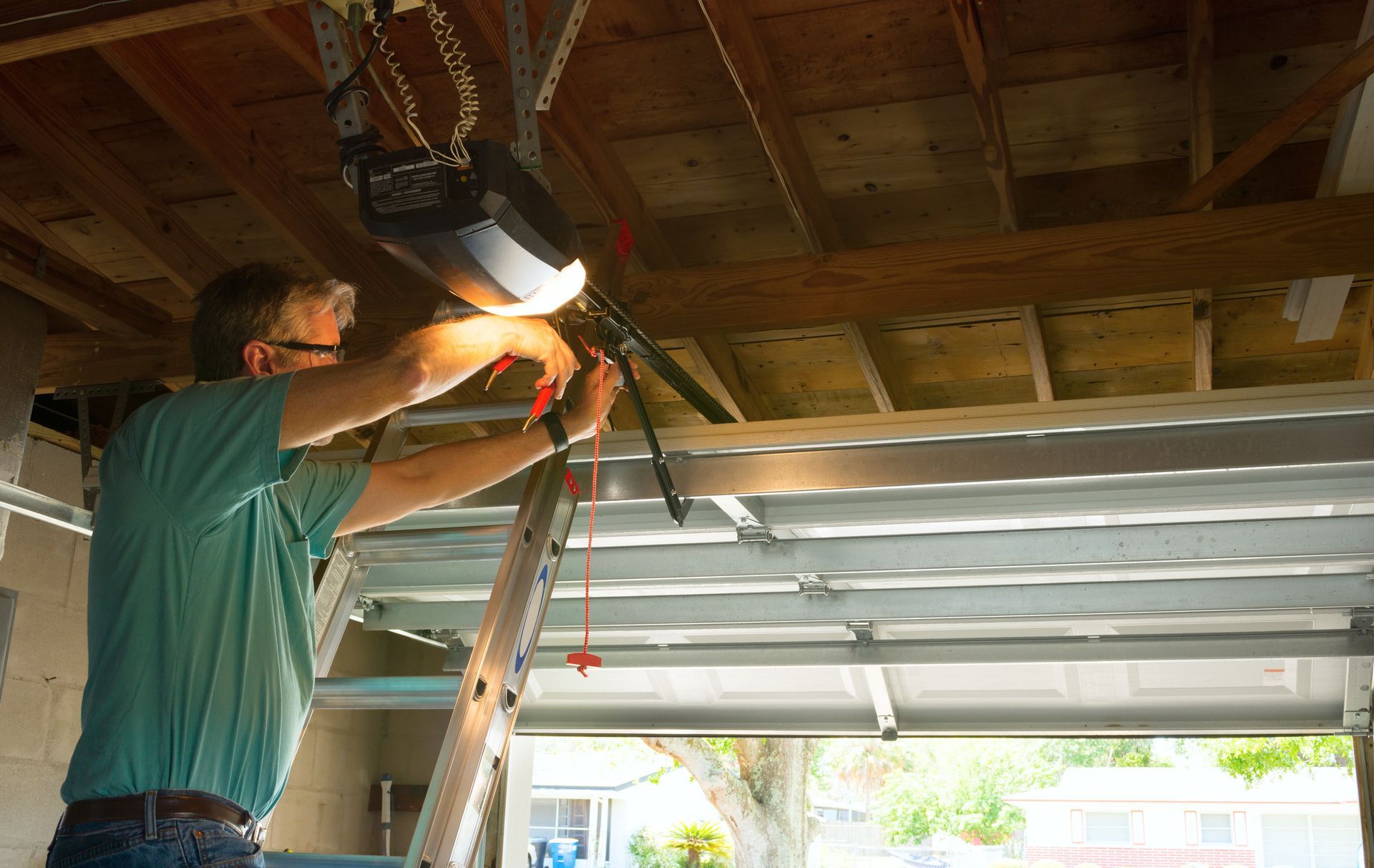
Apply white lithium grease or a dedicated garage door lubricant spray to the following points — a quick 1-second spray on each is enough:
- Each roller (spray into the bearing, not the track)
- All hinges
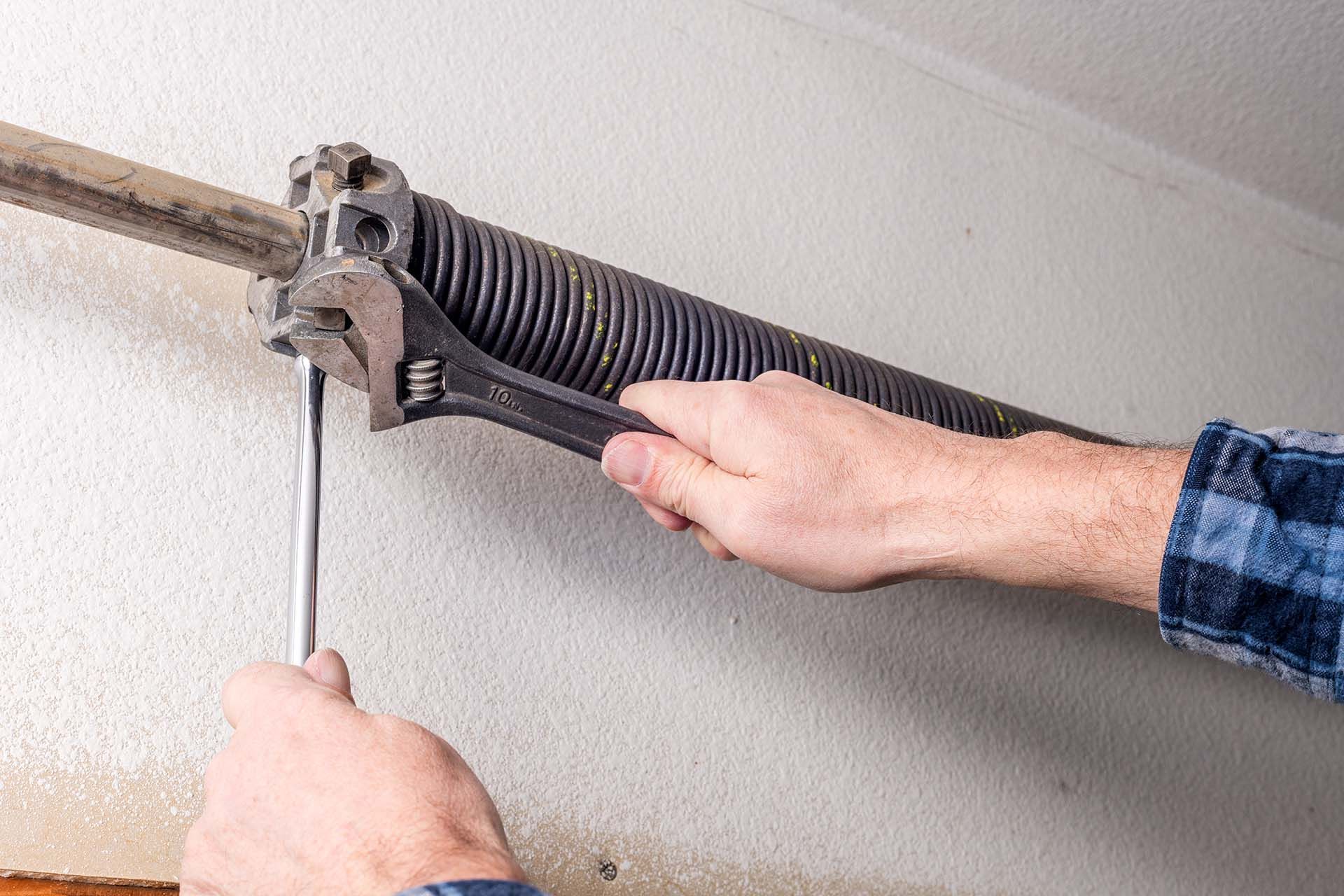
- The torsion spring (coat the full length of the coil)
- The bearing plates on each end of the torsion bar
- The lock mechanism if your door has one
Do not lubricate the tracks. Lubricant in the tracks causes debris accumulation and makes rollers slip rather than roll, which creates more problems than it solves.
Step 6: Inspect Weather Seals (1 minute)
Check the rubber bottom seal and the vinyl side/top weather stripping. In Las Vegas's climate, these degrade faster than in cooler areas. Look for cracking, gaps, brittleness, or sections that have separated from the door. A functioning seal keeps out dust, desert heat, insects, and water intrusion during monsoon season.
Bottom seals are inexpensive and easy to replace; side and top stripping is similarly low-cost. These small parts have an outsized effect on your garage's comfort and your door hardware's lifespan.
Found something that needs a pro's attention? Dogtag Garage Door offers same-day service throughout Las Vegas, Henderson, Summerlin, and all of Clark County. Free estimates on repairs.