One of the most common questions we get on service calls is: "Should I just replace the whole thing?" Sometimes the answer is yes. Sometimes a targeted repair is the smarter move. Here's how we think through the decision — and how we advise our customers to think through it too.
Our approach is straightforward: we look at the age of the door and hardware, the cost of the required repair versus replacement, any secondary issues we notice during inspection, and what the homeowner's goals are for curb appeal and resale value. There's no universal right answer, but there's almost always a clear best answer for each specific situation.
When Repair Is the Right Call
The Door Is Less Than 10–12 Years Old
A well-maintained garage door should last 25–30 years. If your door is under a decade old and the issue is a single component — a broken spring, a failing opener, damaged rollers, a bent panel — repair almost always makes economic sense. The door itself has significant remaining life, and there's no reason to replace the full system for an isolated failure.
The Structural Integrity of the Door Is Sound
If the panels, tracks, and frame are in good shape and the issue is mechanical (spring, opener, cable, rollers), you're looking at a repair job. The door's structural and cosmetic condition determines whether the investment in a mechanical repair is worth it.
The Repair Cost Is Under 50% of Replacement Cost
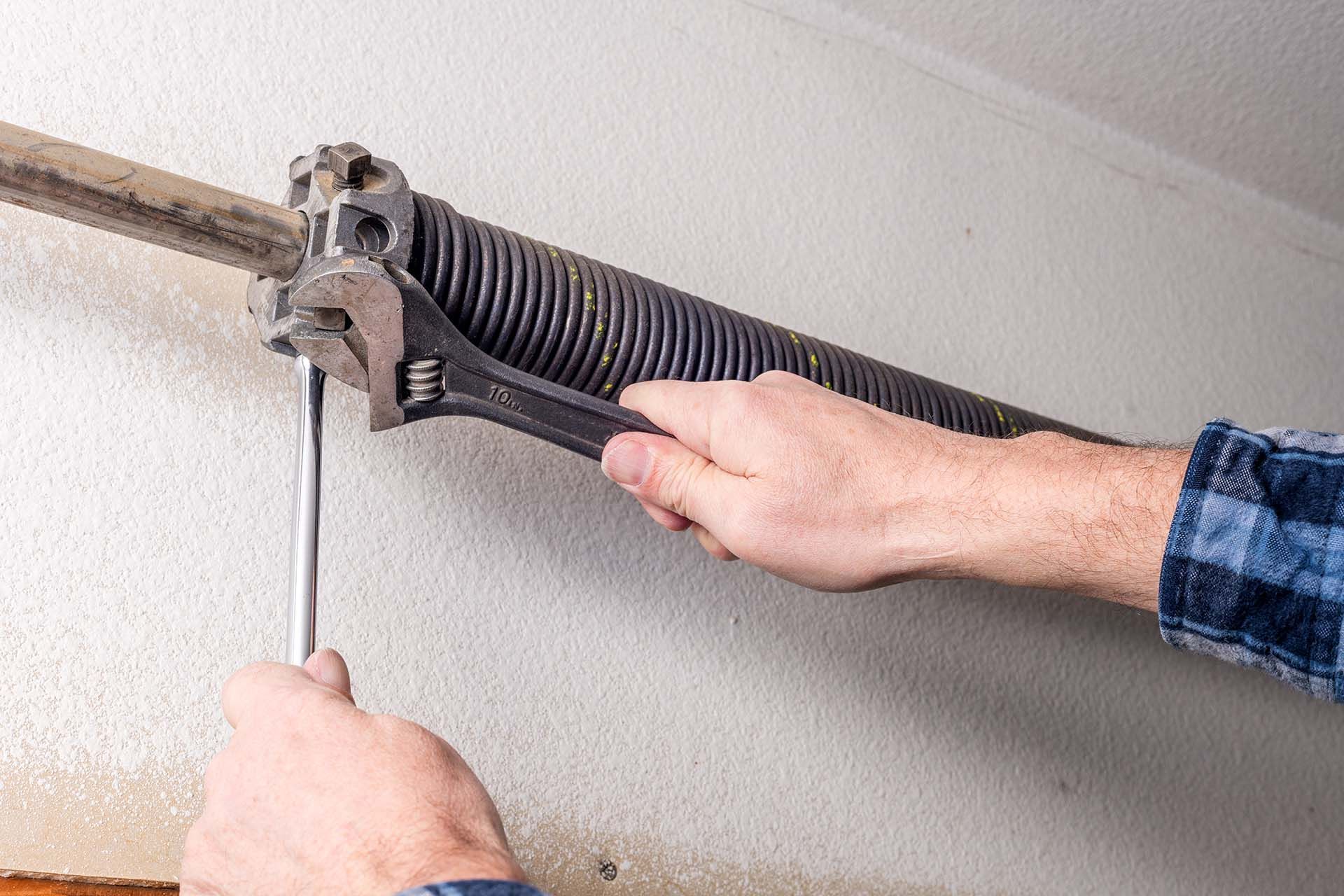
A general rule of thumb from the HVAC world applies here too: if the repair costs more than half the price of replacement, lean toward replacement. A spring replacement runs $150–$350 for most residential doors. A new door and installation runs $1,200–$3,000+. A spring repair on a 8-year-old door in good condition is obviously the right call. The math gets murkier as doors age and multiple issues accumulate.
When Replacement Makes More Sense
The Door Is Over 15–20 Years Old and Has Multiple Issues
Old doors with tired springs, worn rollers, degraded seals, and outdated openers present a classic "death by a thousand cuts" scenario. You could repair one thing and the next thing breaks in three months. At some point you've spent the cost of a new door in piecemeal repairs without the benefit of a new door.
We call this the "accumulated repair cost problem" — and it's the most common reason we recommend replacement over repair for aging systems. When we show up and the door needs a spring, and we also notice the opener is 18 years old, the bottom seal is gone, two rollers are cracked, and a cable is fraying, the conversation changes.
Significant Panel Damage
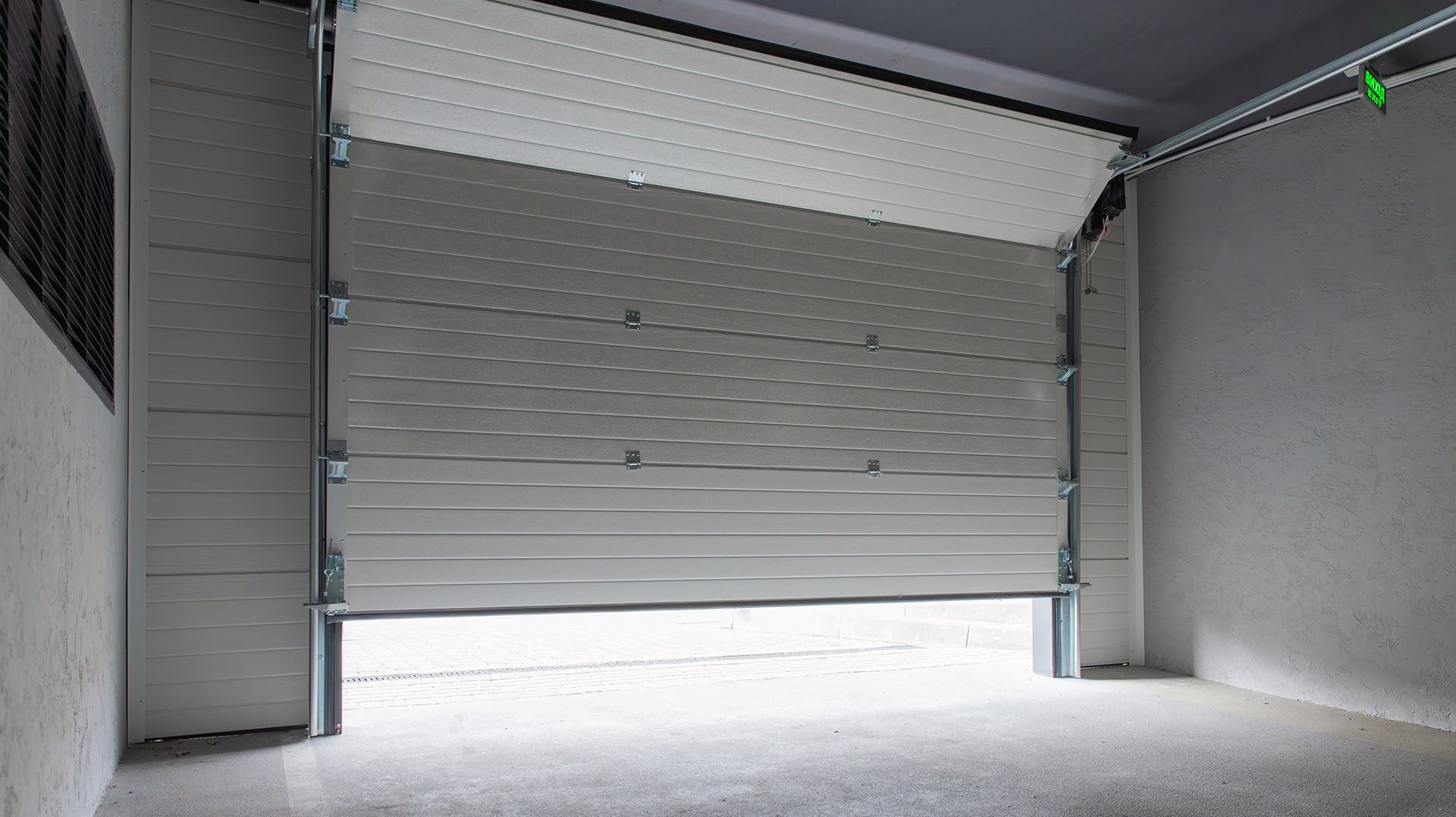
A single damaged panel can sometimes be replaced without replacing the full door — if the panel is still manufactured and available for your door model. But if the door has multiple damaged sections, is an older model with discontinued panels, or the cost of panel replacement approaches 60–70% of a new door, replacement is the better investment.
You're Updating for Curb Appeal or Energy Efficiency
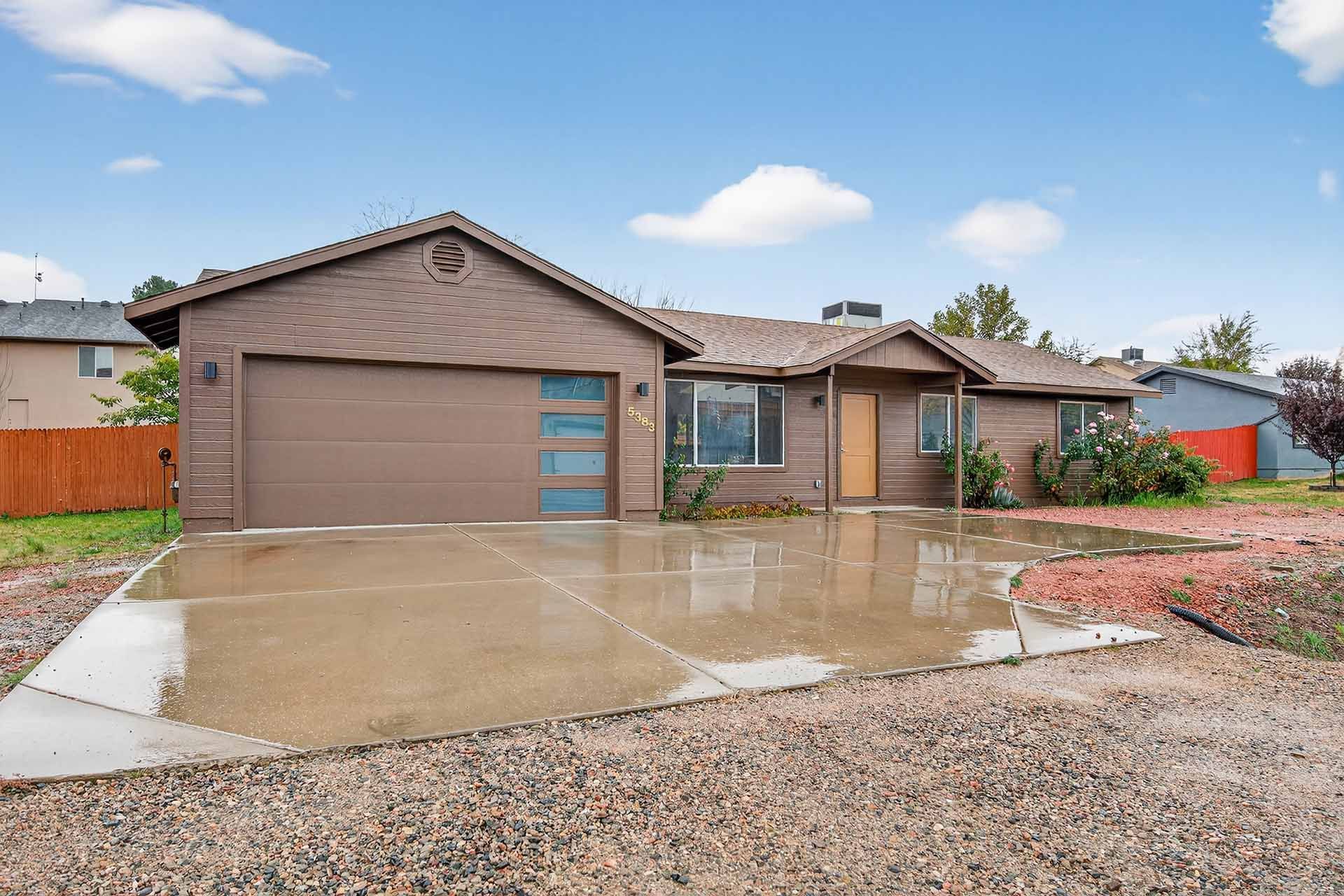
If you're selling your home, remodeling, or your neighborhood's aesthetics have evolved since your door was installed, replacement has a value beyond pure mechanics. A new garage door consistently ranks among the highest ROI home improvement projects — typically returning 90–100% of its cost in home value according to Remodeling Magazine's annual Cost vs. Value report.
Additionally, modern insulated steel doors significantly reduce garage temperature — a meaningful quality-of-life improvement in Las Vegas's climate and a tangible energy savings if your garage is attached to conditioned living space.
Your Opener Is Near End of Life Anyway
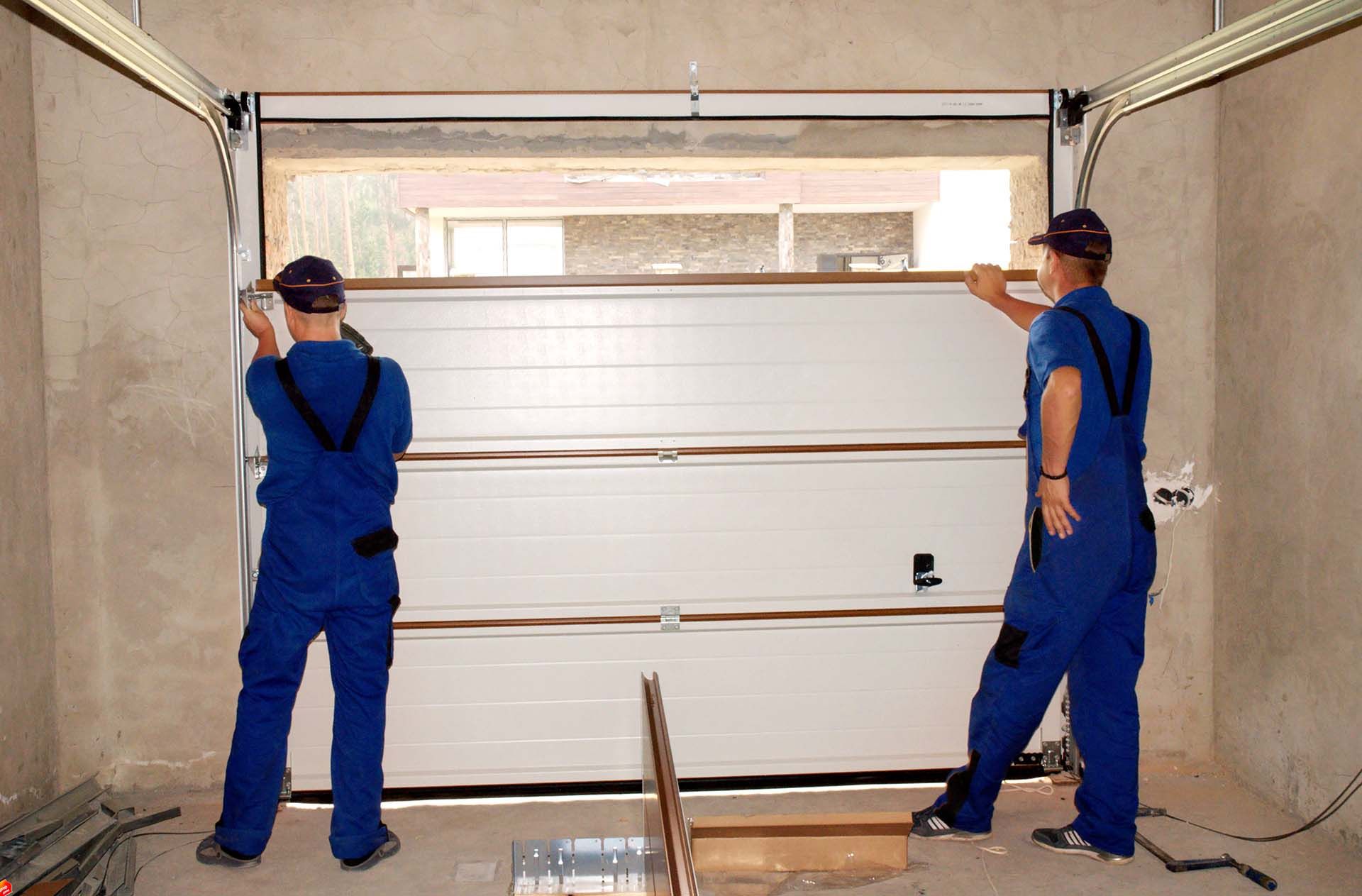
If the door needs replacement and the opener is 15+ years old, it makes sense to replace both simultaneously. You'll save on labor costs by doing it in one visit, and you'll end up with a fully updated, coordinated system with the same service life ahead of it.
Our Process
On every service call, we do a full inspection of the door, hardware, and opener — not just the reported problem. We'll tell you what we found, what needs attention now, and what's likely to need attention in the next year or two. You make the decision with complete information. No pressure, no upsell.
Not sure whether to repair or replace? A free on-site estimate from Dogtag Garage Door gives you a complete picture of your door's condition and honest options. We'll never push you toward an unnecessary replacement.