How Las Vegas Heat Destroys Garage Door Springs (And What to Do About It)

July 30, 2026

Share this article

115°F summers put extreme thermal stress on torsion springs, rubber seals, and opener circuit boards. Here's what fails first and how to stay ahead of it.

Most garage door springs are rated for around 10,000 open-close cycles. In a typical household that uses the door four times a day, that works out to roughly 7–10 years of service life. In Las Vegas, we see springs fail in half that time — and summer heat is the primary reason.


This isn't just an inconvenience. A snapped torsion spring leaves your garage door inoperable and can pose a real safety hazard. Understanding why heat accelerates spring failure — and how to catch the warning signs early — can save you an emergency call on the hottest day of the year.


Why Heat Is So Hard on Torsion Springs

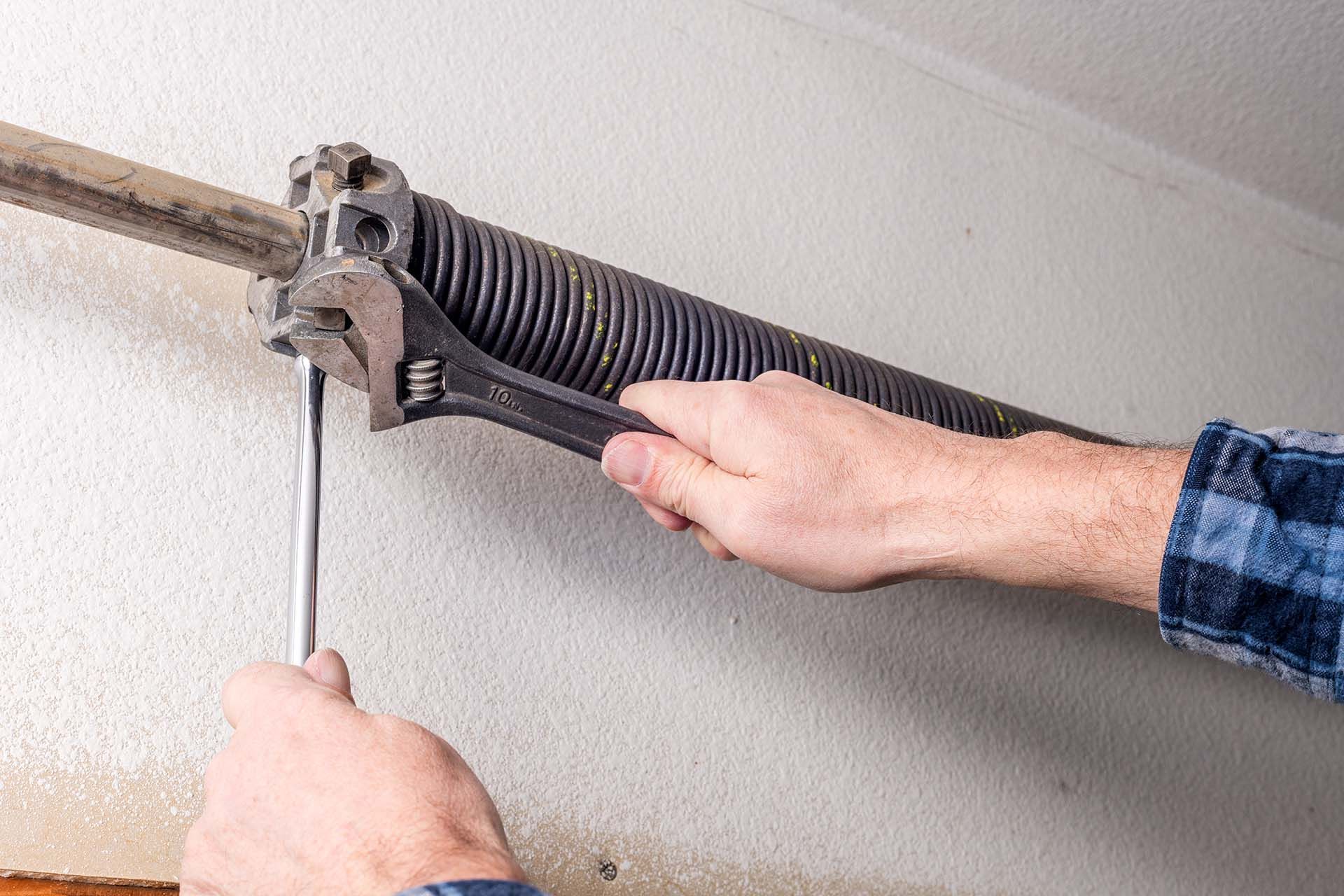
Torsion springs work under enormous constant tension. When your door is closed, the spring is wound tightly, storing mechanical energy that it releases to counterbalance the door's weight when you open it. That cycle of tension and release is the core stress that wears a spring out over time.


Heat adds a second layer of stress that most homeowners never think about. Here's what's happening inside your garage on a July afternoon:


Thermal Expansion and Contraction

Steel expands as it heats and contracts as it cools. In a Las Vegas garage that swings from 90°F overnight to 140°F+ by mid-afternoon, that's a significant daily temperature range. The spring is constantly expanding and contracting around its own torsion, which accelerates metal fatigue at the microscopic level — particularly at the coil ends, where stress is highest.


Lubricant Breakdown

The lubricant on your torsion spring is there to reduce friction between coils during operation and to prevent rust. White lithium grease — the standard for garage doors — has a working range that comfortably handles most climates. But in an un-air-conditioned garage in August, interior temperatures can exceed the effective range of basic lubricants, causing them to thin out, drip off, and stop protecting the metal. Once the coils are running dry, wear accelerates dramatically.


Oxidation Speeds Up

Heat accelerates oxidation. Even a spring that looks clean to the naked eye may have microscopic rust forming in the valleys between coils. Over time this pitting weakens the steel, reducing the spring's effective cycle count well below its rated lifespan.


Local Context

Las Vegas garage interiors routinely reach 130–150°F in summer when the door isn't insulated. An insulated door and a garage with any ventilation can cut that peak temperature by 20–30°F — meaningful protection for every mechanical component inside, not just the springs.


What Else Gets Damaged by Summer Heat

Springs are the most dramatic failure mode — you'll hear the loud bang and your door will stop working immediately. But heat takes a toll on other components too, often more gradually:


  • Rubber bottom seal: The vinyl or rubber seal along the door's bottom edge becomes brittle and cracks in extreme heat, eventually crumbling off entirely. Once it's gone, dust, insects, and heat pour in freely.
  • Opener circuit board: Openers mounted on garage ceilings are especially vulnerable in hot climates. Repeated heat exposure stresses solder joints and capacitors on the logic board. Intermittent operation, random reversals, and complete failures are all common in summer.
  • Rollers: Nylon rollers soften and deform at sustained high temperatures, causing the door to bind or run rough in the tracks. Metal rollers fare better in heat but may expand slightly and add friction.
  • Weather stripping: Side and top weather stripping hardens and loses its sealing flexibility over multiple desert summers.
  • Cables: Steel lift cables are more durable than springs, but heat accelerates corrosion at the cable drum and bottom bracket attachment points.


Warning Signs Your Spring Is Close to Failing

Springs rarely fail completely without any warning. Here's what to watch for:
1 The door feels much heavier than usual. If you disengage the opener and try to lift the door manually, it should feel relatively light — maybe 10–15 lbs of resistance. If it feels like you're lifting the full weight of the door, the spring is losing tension.
2 Squeaking or grinding during operation. Dry, worn coils make noise. If your door has started sounding rougher than usual, lubrication and inspection are overdue.
3 The door opens unevenly — one side rises faster than the other. This usually indicates a broken spring on a two-spring system, or uneven spring tension.
4 A visible gap in the spring coil. If you look at the torsion bar above the door and see a gap of an inch or more in the spring coil, it has already partially broken.
5 The door reverses immediately after starting to open. The opener senses excess resistance (from a dying spring) and reverses as a safety measure.

⚠️ Safety Warning

Do not attempt to replace or adjust a torsion spring yourself. A torsion spring under tension stores enough energy to cause serious injury or death if mishandled. Always call a licensed technician. Dogtag Garage Door is available 24/7 at (702) 608-0038.


How to Protect Your Springs in the Las Vegas Climate

You can't stop the heat, but you can manage its effects:


  • Lubricate springs twice a year — in spring before summer starts, and again in fall. Use a white lithium grease or a dedicated garage door lubricant spray. Don't use WD-40; it's a solvent, not a lasting lubricant.
  • Insulate your garage door. An insulated sectional door keeps the interior temperature meaningfully lower, extending the life of every mechanical component — springs, opener, rollers, and seals.
  • Add attic ventilation or a ventilation fan to the garage. Moving air reduces peak temperature accumulation significantly on still summer days.
  • Have a tech inspect your springs annually. A trained eye can assess remaining tension, coil condition, and lubrication state in minutes. We include this check in every service call.
  • Ask about upgrading to higher-cycle springs. Standard springs are rated for 10,000 cycles. We can install springs rated for 20,000–30,000 cycles — a worthwhile upgrade in a climate that stresses hardware harder than average.


Is your garage door running rougher than usual this summer? Don't wait for the spring to snap. Dogtag Garage Door offers free estimates and same-day service throughout Las Vegas, Henderson, Summerlin, and all of Clark County.

Dogtag Garage Door — Las Vegas, NV

Written by the team at Dogtag Garage Door, a combat veteran-owned and operated garage door company serving Las Vegas and Clark County. Licensed Nevada Contractor #0094332. Call us at (702) 608-0038.

Recent Posts

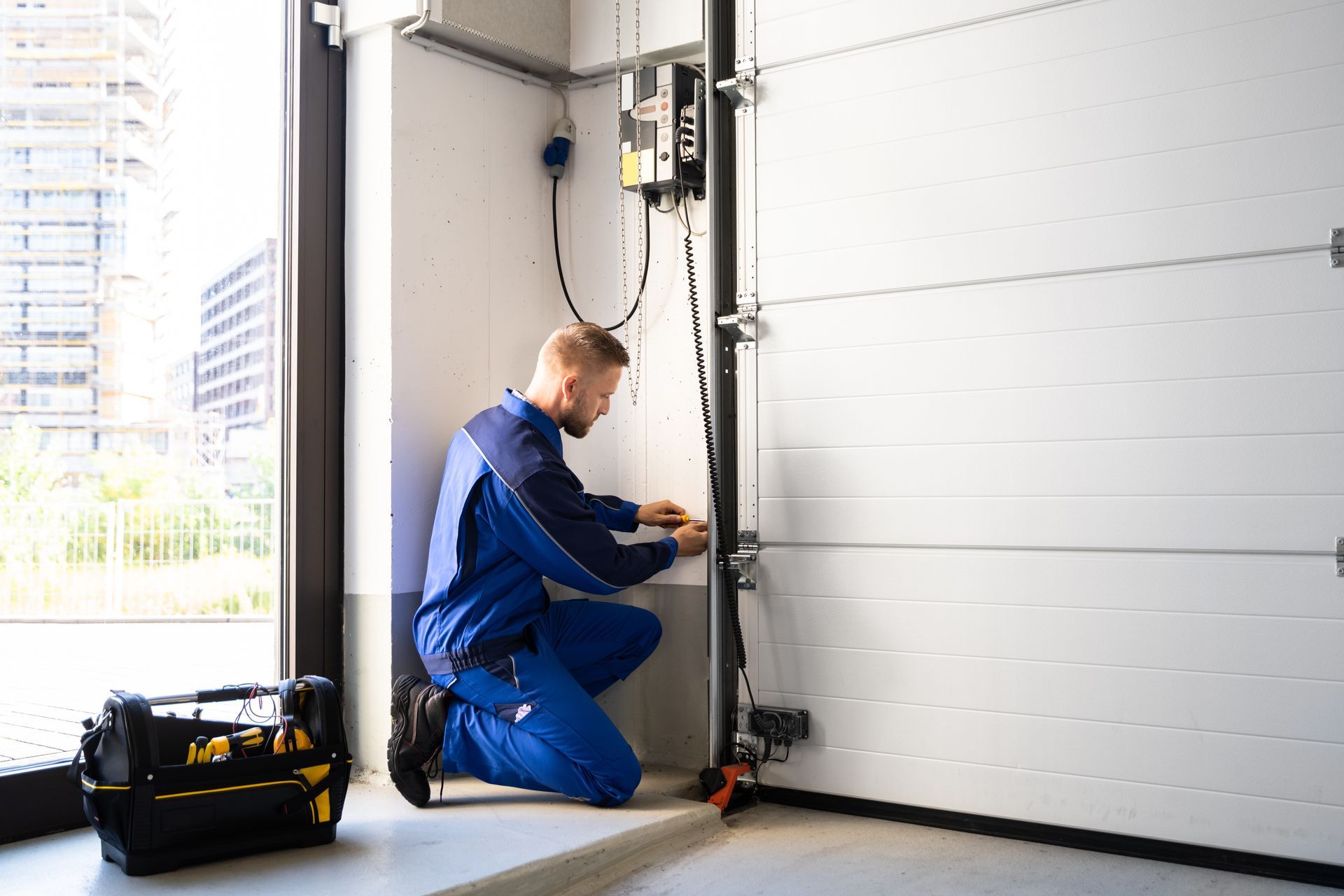
Technician in blue coveralls kneels by a garage door mechanism, using tools beside a black tool case.
July 30, 2026
Most break-ins through garages take under 6 seconds using a simple technique anyone can find online. A combat veteran's guide to actually securing your garage.
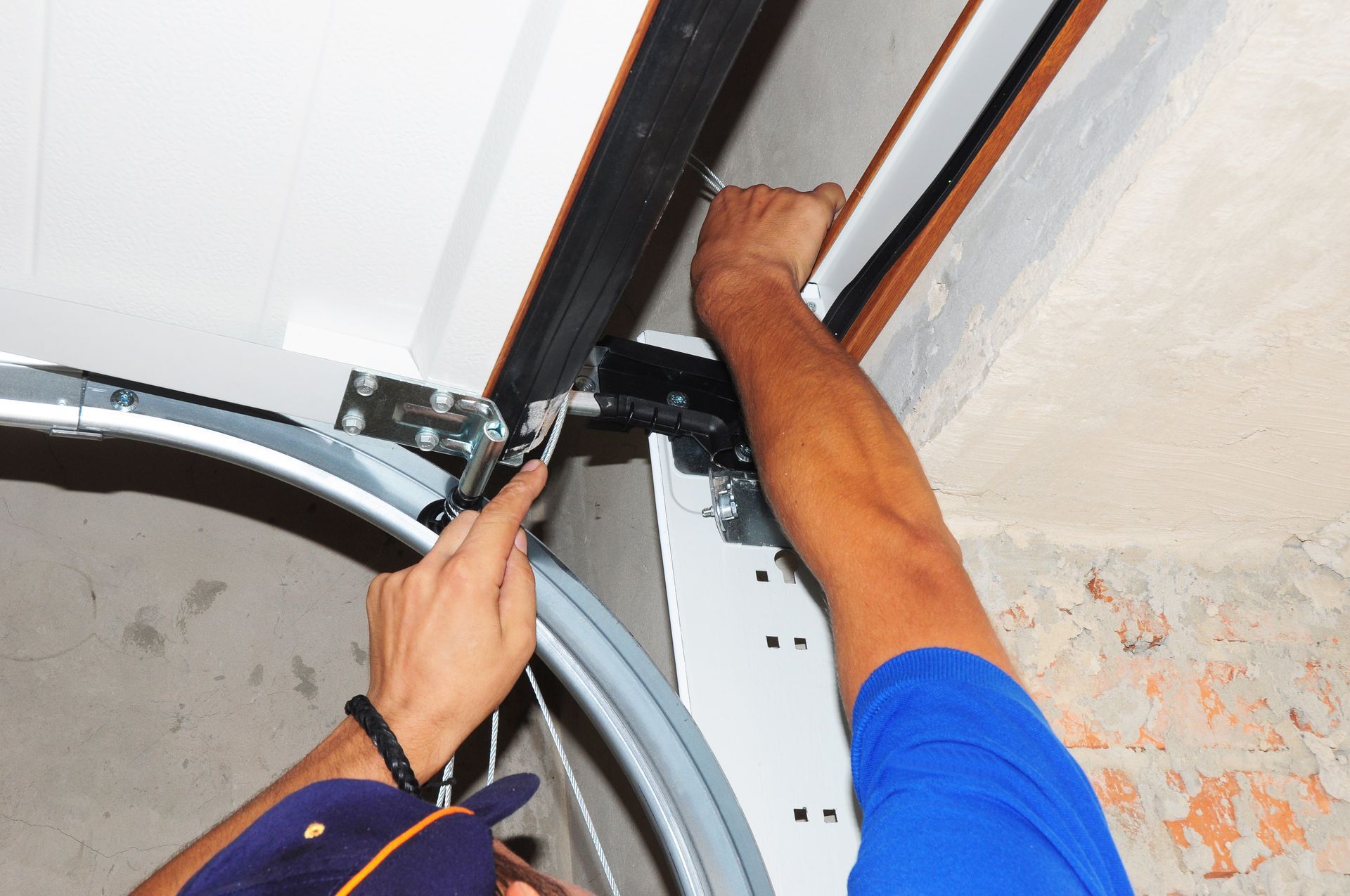
Technician installing a garage door motor, with hands adjusting the opener rail and bracket.
July 30, 2026
A quick checklist of visual inspections, lubrication points, and safety tests that takes minutes and can add years to the life of your garage door system.
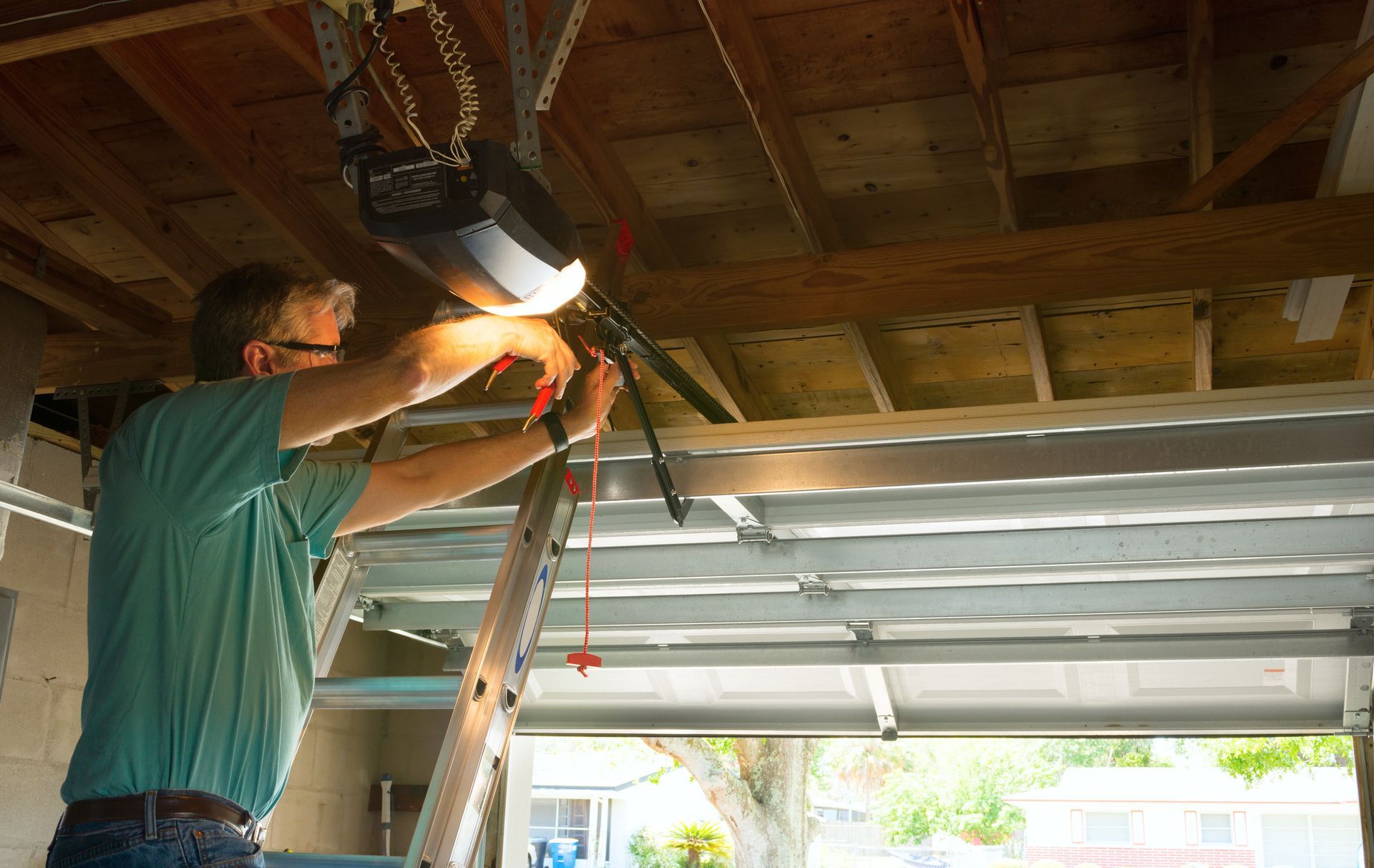
Person working overhead on a garage door opener inside a garage
By Augustine Rie Torres July 30, 2026
Don't wait for the loud bang. These early signals mean your spring is near the end of its cycle life — and a failure is coming sooner than you think.
Modern two-tone house with a dark gray garage and white exterior at dusk
July 30, 2026
An honest breakdown from a veteran technician — when a repair makes financial and practical sense, and when it's time to invest in something new.
Hand holding a set of keys near an open garage doorway, with a blurred outdoor background.
July 30, 2026
A side-by-side breakdown of the three brands we install most often — including smart home compatibility, noise levels, reliability in desert heat, and what you'll actually pay.